
Hedges and Shrubs Shaped for Consistent Growth
Shrub Trimming in Inverness for properties with overgrown hedges, misshapen plantings, or landscaping that blocks walkways and windows
Overgrown shrubs lose their intended shape, extend into walkways or building facades, and develop dense outer growth that blocks light from reaching interior branches. Routine trimming maintains the clean lines and proportions that define well-kept residential and commercial landscapes while encouraging the balanced growth patterns that keep plantings healthy over multiple seasons. Properties throughout Inverness benefit from scheduled shrub maintenance that prevents the need for severe cutbacks when growth becomes excessive and unsightly.
Trimming involves removing new growth to restore the shrub's intended form, thinning dense areas to improve air circulation, and cutting back branches that extend beyond desired boundaries. The work follows the natural growth habit of each species rather than forcing geometric shapes that conflict with how the plant develops, which reduces stress and produces results that last longer between maintenance visits.
Request a property walkthrough to identify shrubs needing trimming and establish a maintenance schedule that keeps growth under control year-round.
What Proper Shrub Trimming Requires
Effective shrub trimming requires understanding each species' growth patterns and timing cuts to avoid removing flower buds or stressing plants during vulnerable periods. Spring-blooming shrubs are trimmed after flowering ends, while late-season bloomers are shaped during dormancy to avoid cutting off the current year's buds.
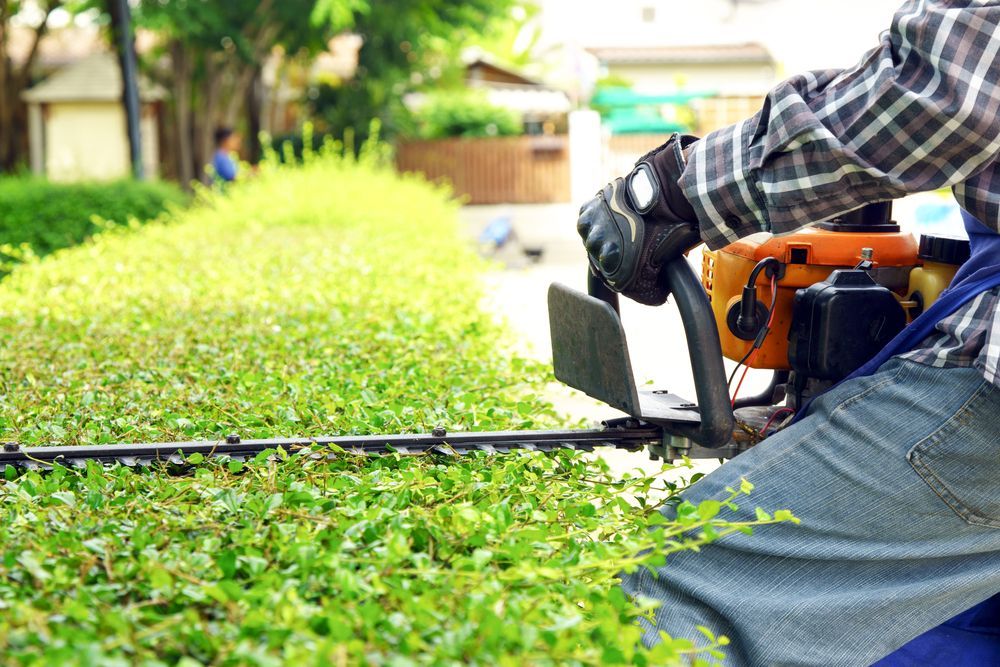
Once trimming is finished, you'll notice restored clearance around walkways and entrances, uniform height and width across hedge rows, and elimination of the scraggly, uneven appearance that develops when shrubs grow unchecked. A-1 Allen's Tree Specialist focuses on detail-oriented cuts that create polished results rather than rough, hacked edges that signal hurried work.
Routine maintenance differs from corrective pruning—regular trimming addresses moderate new growth and shape refinement, while neglected shrubs that have grown far beyond their intended size may require more aggressive cutbacks that temporarily reduce fullness but allow the plant to regenerate with better structure. Frequency depends on growth rate, with fast-growing species needing attention two or three times annually and slower shrubs managed once per year.
Answers to Frequent Shrub Maintenance Questions
Homeowners and property managers in Inverness typically ask about timing, methods, and expectations before starting regular shrub trimming services.
When is the best time to trim shrubs in Citrus County?
Timing varies by species, but most shrubs benefit from trimming in late winter or early spring before new growth begins, with additional shaping sessions in mid-summer for fast-growing varieties that quickly lose form.
How much can be removed from an overgrown shrub without harming it?
Most healthy shrubs tolerate removal of up to one-third of their total growth in a single session, though severely overgrown specimens may require staged trimming across multiple seasons to avoid shocking the plant with excessive cuts at once.
Will trimming encourage shrubs to grow back thicker and fuller?
Selective thinning and shaping stimulate new branching near cut points, which increases density over time when done correctly, but indiscriminate shearing can create thick outer shells with hollow, weak interiors that lack structural integrity.
Can shrub trimming improve curb appeal before selling a property?
Well-maintained shrubs signal overall property care to potential buyers and create the clean, orderly appearance that enhances first impressions, making routine trimming a cost-effective improvement compared to replacing neglected plantings entirely.
What happens if shrubs are trimmed at the wrong time of year?
Off-season trimming may remove flower buds, reduce blooming, or expose new growth to late frosts, but it rarely kills established shrubs—the primary consequence is reduced aesthetic performance during the following bloom cycle.
A-1 Allen's Tree Specialist handles shrub trimming for residential and commercial properties across Citrus County with attention to species-specific needs and detail-focused results. Call (352) 726-8880 to set up scheduled maintenance that keeps your landscape consistently groomed throughout the year.